When Illness Becomes Poverty: How Health Taxes Protect Families
· By Staff Writer, Master Chimbala Foundation (MCF)
For many families, illness is more than a health problem. It is also a financial crisis.
Across Zambia, thousands of households are struggling not only with the emotional pain of disease, but also with the heavy economic burden that often comes with it. A diagnosis of cancer, diabetes, heart disease, stroke, or another chronic illness can quickly change the direction of a family’s life.
Savings disappear. Income declines. School fees become difficult to pay. Businesses slow down. Family members leave work or school to care for sick relatives. In severe cases, households are pushed deeper into poverty simply because someone became ill.
This is what many experts describe as medical poverty, a situation where the cost of healthcare and illness drives families into financial hardship.
Unfortunately, many of these illnesses are preventable.
Non-communicable diseases (NCDs) such as heart disease, diabetes, cancers, and chronic respiratory illnesses are increasingly affecting communities across Zambia. Many of these conditions are linked to tobacco use, harmful alcohol consumption, unhealthy diets, and excessive intake of sugary drinks.
While these products may seem affordable at the point of purchase, the long-term costs are often devastating. The burden is not only carried by the individual who becomes sick, but by entire families and communities.
Imagine a family where the main breadwinner develops a chronic illness linked to tobacco use or unhealthy lifestyle habits. Hospital visits become frequent. Medication becomes a monthly expense. Productivity decreases as illness limits the ability to work. Over time, household income falls while healthcare expenses continue to rise.
Children may be forced to leave school due to financial pressures. Family assets may be sold to cover treatment costs. Emotional stress increases as relatives struggle to care for loved ones while trying to survive economically.
This cycle affects countless families.
The problem is not limited to households alone. Preventable diseases also place enormous pressure on the national healthcare system. Hospitals and clinics must dedicate increasing resources toward treating conditions that could have been prevented. As treatment costs rise, the broader economy is also affected through reduced productivity, increased absenteeism, and loss of human potential.
This is why prevention is so important.
Preventing disease before it starts is far more affordable and sustainable than treating illness after it develops. Prevention protects families from emotional suffering, financial hardship, and long-term economic instability.
One important prevention tool is the implementation of health taxes.
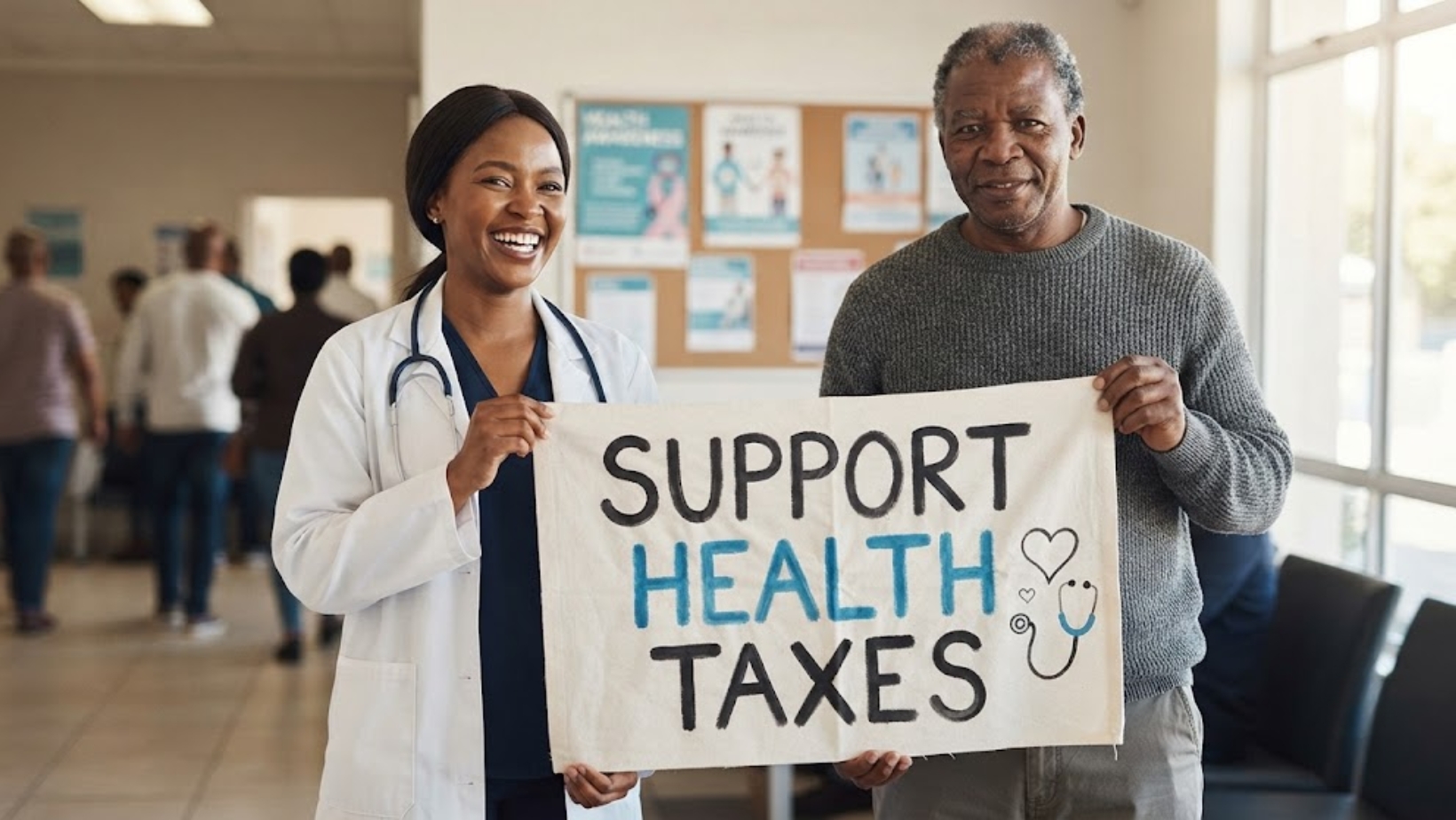
Health taxes are taxes placed on harmful products such as tobacco products, alcoholic beverages, and sugar-sweetened drinks. Their purpose is to reduce harmful consumption while encouraging healthier choices.
Research from around the world consistently shows that increasing the price of harmful products reduces consumption, particularly among young people and frequent users. When fewer people smoke, consume harmful levels of alcohol, or regularly consume sugary drinks, fewer people develop preventable diseases later in life.
The benefits extend beyond individual health.
Health taxes help reduce future healthcare costs for families and government. They help preserve household income by preventing expensive long-term illnesses. They reduce the risk of medical poverty and support healthier, more productive communities.
Importantly, health taxes can also generate revenue that governments may invest in healthcare services, prevention programmes, health education, and strengthening health systems.
This makes health taxes both a health intervention and a social protection measure.
Protecting families from preventable disease is not only about medicine and hospitals. It is also about protecting livelihoods, preserving dignity, supporting education, and strengthening communities.
Healthy families are more economically stable. They are better able to invest in education, nutrition, business, and opportunities for future generations.
As Zambia continues working toward national development and Universal Health Coverage, greater attention must be placed on prevention and reducing the burden of diseases that continue to affect so many households.
Health taxes are not about punishment. They are about protection.
They protect families from preventable illness. They protect households from devastating medical costs. They protect communities from avoidable suffering and economic hardship.
Most importantly, they help build a healthier and more secure future for all Zambians.
Because no family should be pushed into poverty simply because someone became sick from a preventable disease.
Health taxes help protect lives, livelihoods, and families.
Our Health. Our Future. Our Zambia.