
The Hidden Cost of Tobacco, Alcohol and Sugary Drinks
· By Staff Writer, Master Chimbala Foundation (MCF)
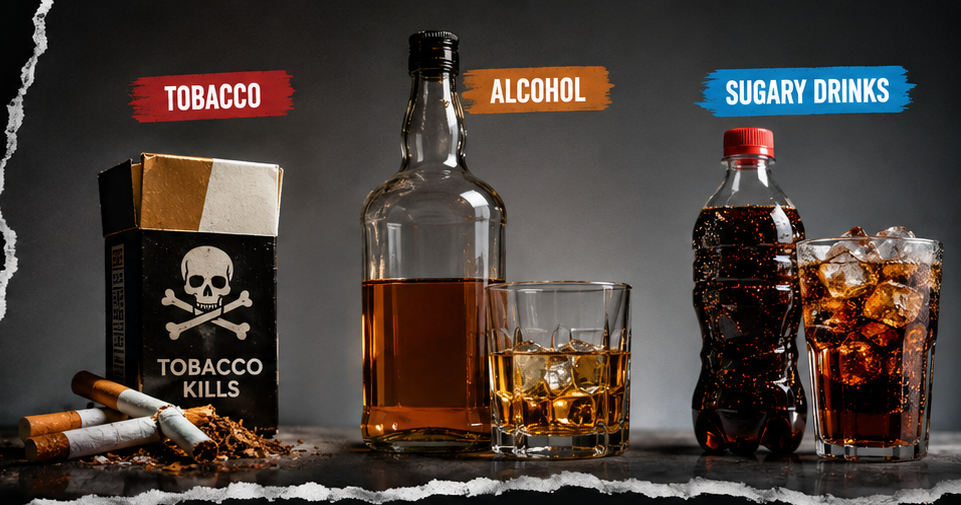
When purchasing a packet of cigarettes, a bottle of alcohol, or a sugary drink, most people focus on the price printed on the shelf. A few Kwacha exchanged at a shop may seem insignificant at the time. However, the real cost of these products is often much higher than what consumers pay at the point of purchase.
The hidden cost is paid later.
It is paid in hospital wards treating cancer patients. It is paid by families struggling to afford medication for diabetes. It is paid through lost productivity when people become too sick to work. It is paid by communities affected by alcohol-related injuries and violence. Ultimately, it is paid through reduced quality of life, financial hardship, and lives cut short by preventable disease.
Across Zambia, non-communicable diseases such as cancer, heart disease, diabetes, stroke, and chronic respiratory illnesses are becoming increasingly common. Many of these illnesses are linked to tobacco use, harmful alcohol consumption, and unhealthy diets, including excessive consumption of sugary drinks.
The impact extends far beyond individual consumers.
Tobacco remains one of the leading causes of preventable death globally. Smoking increases the risk of numerous illnesses, including lung cancer, heart disease, stroke, chronic obstructive pulmonary disease, and other respiratory conditions. Many smokers begin the habit at a young age and continue for years, often unaware of the long-term health consequences until serious illness develops.
The burden is not limited to smokers themselves. Families often become caregivers, healthcare systems absorb treatment costs, and employers experience productivity losses as workers become ill or die prematurely.
Alcohol presents a similar challenge.
While many people consume alcohol responsibly, harmful alcohol use contributes to a wide range of health and social problems. It is associated with injuries, road traffic crashes, violence, mental health challenges, liver disease, and several forms of cancer. The consequences often extend beyond the individual drinker, affecting spouses, children, workplaces, and entire communities.
Communities frequently bear the social costs of alcohol-related harm through family instability, lost income, accidents, crime, and increased pressure on public services.
Sugary drinks are another growing concern.
Often marketed as refreshing and harmless, sugar-sweetened beverages can contribute significantly to excessive sugar intake. Regular consumption increases the risk of overweight, obesity, type 2 diabetes, tooth decay, and other health complications. As lifestyles change and processed foods become more common, diet-related illnesses are becoming an increasingly important public health challenge.
The combined impact of tobacco, harmful alcohol use, and sugary drinks creates a substantial burden on individuals, families, healthcare systems, and the national economy.
Healthcare costs continue to rise as more people require treatment for preventable diseases. Families spend increasing amounts of money on medication, consultations, transport to health facilities, and long-term care. Some households are pushed into financial hardship as illness reduces income while increasing expenses.
The economy also suffers.
When people are sick, they are less productive. Businesses lose valuable working hours. Schools are affected when learners become ill or must care for sick family members. Government resources that could be invested in development priorities are redirected toward treating preventable conditions.
These costs are often invisible, yet they are real.
This is where health taxes become important.
Health taxes are taxes placed on products that contribute significantly to disease and poor health outcomes, particularly tobacco products, alcoholic beverages, and sugar-sweetened drinks. They are designed to reduce harmful consumption while encouraging healthier choices.
Global evidence consistently shows that higher prices lead to lower consumption, especially among young people who are more sensitive to price changes. As consumption declines, the burden of disease also falls. Fewer people become addicted to tobacco. Fewer alcohol-related harms occur. Fewer diet-related illnesses develop over time.
Health taxes also generate revenue that governments can use to strengthen healthcare systems, support prevention programmes, improve health services, and invest in healthier communities.
In essence, health taxes help shift resources away from managing preventable disease and toward promoting wellbeing.
The conversation about health taxes is therefore not simply about taxation. It is about understanding the true cost of harmful products and making choices that protect lives, families, and communities.
The price on the shelf is only part of the story.
The real cost is often paid later through illness, hospital bills, lost productivity, family hardship, and premature death.
By reducing consumption and encouraging healthier choices, health taxes help ensure that Zambia pays less for preventable disease and invests more in health, opportunity, and national development.
Because the healthiest societies are not those that spend the most on treating disease. They are those that do the most to prevent it.
Health taxes are not about punishment. They are about protection.
Our Health. Our Future. Our Zambia.