Healthy Youth, Strong Zambia: Why Young People Should Care About Health Taxes
· By Staff Writer, Master Chimbala Foundation (MCF)
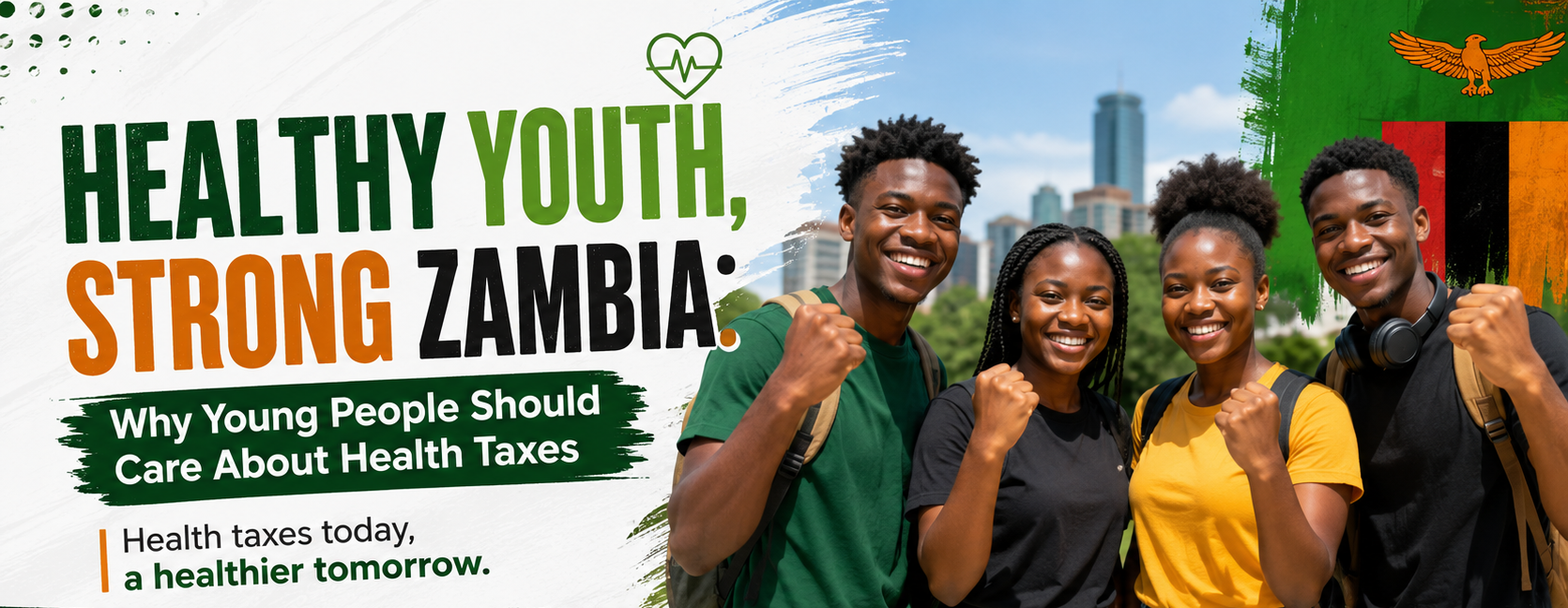
Young people are often described as the future of Zambia. They are the innovators, professionals, entrepreneurs, leaders, and parents of tomorrow. Their energy, creativity, and potential are among the country’s greatest assets. Yet the future of any nation depends not only on the talents of its young people, but also on their health.
Today, Zambia faces a growing burden of non-communicable diseases (NCDs) such as cancer, heart disease, diabetes, and chronic respiratory illnesses. While many people associate these diseases with older adults, the behaviours and habits that contribute to them often begin much earlier in life.
Many young people are exposed to tobacco products, alcohol, sugary drinks, and unhealthy lifestyle choices during adolescence and early adulthood. What may appear to be harmless experimentation can gradually develop into lifelong habits that increase the risk of addiction, illness, and premature death.
This is why protecting young people from harmful products is not only a health issue, it is a national development priority.
Across the world, tobacco remains one of the leading causes of preventable disease and death. Most smokers begin using tobacco before adulthood, often influenced by peers, marketing, curiosity, or social pressure. Once addiction takes hold, quitting becomes difficult, and the health consequences can last a lifetime.
Harmful alcohol use presents similar concerns. Young people who begin drinking at an early age face increased risks of addiction, poor academic performance, injuries, risky behaviour, mental health challenges, and long-term health problems. Alcohol-related harm can affect educational achievement, employment opportunities, family relationships, and future prospects.
Sugary drinks are another growing concern among young people. Regular consumption of beverages high in sugar contributes to obesity, tooth decay, and an increased risk of type 2 diabetes and other health complications. As lifestyles become more sedentary and unhealthy foods become more accessible, these risks continue to grow.
The consequences extend beyond health.
Poor health among young people affects educational outcomes, reduces productivity, limits economic opportunities, and weakens the country’s future workforce. When young people struggle with addiction, chronic illness, or preventable health problems, the effects can be felt for decades by families, communities, and the nation as a whole.
Fortunately, there are effective measures that can help protect young people and support healthier choices.
One of the most powerful tools available is the use of health taxes.
Health taxes are taxes placed on products that are known to harm health, particularly tobacco products, alcoholic beverages, and sugar-sweetened drinks. Their purpose is to reduce consumption and discourage the uptake of harmful products, especially among young people.
Research from around the world consistently shows that young people are more sensitive to price changes than adults. When harmful products become more expensive, fewer young people start using them. Higher prices reduce experimentation, delay initiation, and lower overall consumption.
This makes health taxes especially effective in preventing addiction before it begins.
For example, increasing taxes on tobacco products has been shown to reduce smoking initiation among young people and encourage current users to quit. Similar evidence exists for alcohol and sugary drinks, where higher prices can help reduce excessive consumption and promote healthier choices.
Health taxes do not eliminate personal choice. Young people remain free to make their own decisions. However, health taxes help create environments that make healthier choices easier and harmful products less attractive and accessible.
The benefits are substantial.
Fewer young people starting to smoke means fewer future cases of lung cancer, heart disease, stroke, and respiratory illness. Reduced harmful alcohol use means fewer accidents, injuries, and alcohol-related health problems. Lower consumption of sugary drinks contributes to healthier diets and a reduced risk of obesity and diabetes.
The result is a healthier generation better equipped to succeed in education, employment, leadership, and community life.
Protecting youth health is not simply about preventing disease today. It is about safeguarding Zambia’s future workforce, strengthening future families, and building a healthier, more productive nation.
Every young person protected from addiction represents a future teacher, doctor, entrepreneur, engineer, farmer, artist, or leader who can contribute fully to national development.
As Zambia continues to invest in education, innovation, and economic growth, it must also invest in protecting the health of its young people. Health taxes are one practical and evidence-based way of doing so.
Healthy youth create stronger communities. Stronger communities build stronger nations.
The future of Zambia depends on the choices we make today.
Health taxes help protect young people, prevent addiction, and create opportunities for healthier lives.
Our Health. Our Future. Our Zambia.